| Merchant ID |
The unique identifier assigned to the merchant account by Shift4. Used to distinguish transactions across multiple merchant accounts. |
| Merchant Name |
The registered business name associated with the merchant account. Helps identify the merchant when managing multi-location environments. |
| Date |
The date and time the transaction was submitted or processed. Displayed in the local timezone configured for the merchant account. |
| Merchant Reference |
A reference number generated or assigned by the merchant's point-of-sale or payment system. Used to cross-reference transactions between theShift4 Customer Hub and the merchant's internal records. |
| Issuer BIN |
The Bank Identification Number (BIN) of the card-issuing bank. The first six digits of the card number that identify the issuing institution. |
| Risk |
The risk level assigned to the transaction based on Shift4's fraud detection and risk scoring engine. Helps merchants monitor potentially high-risk or suspicious transactions. Only available with direct integration of shift4 with our risk provider. |
| Acquirer Response |
The response code returned by the acquiring bank indicating the result of the authorization request (e.g., approved, declined, referral). Useful for diagnosing transaction failures. |
| Customer |
The name of the customer associated with the transaction, if provided at the time of payment or stored in the customer profile. |
| Email |
The email address of the cardholder or customer associated with the transaction. Can be used to search and correlate related transactions. |
| Payment Used |
The masked card number (typically showing the last four digits) and the card brand logo used for the transaction. Allows identification of the payment card without exposing sensitive data. For digital wallet transactions, this field will show only the logo. |
| Total Amount |
The total monetary value of the transaction, including the base amount, tips, taxes, and any additional charges. Displayed in the transaction currency. |
| Order Type |
The type of transaction order processed. Common values include: Auth (authorization only), Sale (combined auth and capture), Refund, Void, and Info. |
| Transaction Status |
The current processing status of the transaction. Typical statuses include: Settled, Unsettled, Declined, Failed, and Chargeback. |
| Event Status |
The status of the most recent event in the transaction lifecycle. Reflects where the transaction currently stands in its processing journey (e.g., authorized, captured, settled). |
| Transaction ID |
The unique identifier assigned by Shift4 to each transaction. Used as the primary reference for locating and managing a specific transaction in the Customer Hub. |
| Processor MID |
The Merchant ID assigned by the payment processor or acquiring bank. This may differ from the Shift4 Merchant ID and is used for reconciliation with processor statements. |
| Batch Date |
The date on which the transaction batch was closed and submitted for settlement. Used for batch-level reconciliation and reporting. |
| Business Date |
The logical business date assigned to the transaction, which may differ from the actual processing date. Useful for hospitality and retail environments where business days do not align with calendar days. |
| Batch Number |
The sequential number assigned to the batch in which the transaction was included. Enables filtering and analysis of all transactions settled within the same batch. |
| Card Type |
The category of payment card used for the transaction, such as Credit, Debit, or Gift Card. |
| Customer IP Address |
The IP address of the device used by the customer at the time of the transaction. Relevant for card-not-present (CNP) and e-commerce transactions; useful for fraud analysis. |
| Risk ID |
A unique identifier assigned by the risk evaluation engine to the specific risk assessment record for the transaction. Used for detailed fraud investigation and review. |
| Card Token |
A unique alphanumeric token generated by Shift4 to represent the cardholder's payment card. Replaces the actual card number in storage and transmission to enhance security and PCI compliance. |
| Secure Status |
Indicates the status of security verification checks performed on the transaction, such as AVS or CVV validation results. |
| AVS |
Address Verification Service result. Indicates whether the billing address provided by the cardholder matches the address on file with the card-issuing bank. Common values include Full Match, Partial Match, No Match, or Not Verified. |
| CVC/CVV |
The result of the Card Verification Code (CVC) or Card Verification Value (CVV) check. Indicates whether the three- or four-digit security code provided matched the card issuer's records. |
| Processed ARN |
The Acquirer Reference Number (ARN) assigned once the transaction has been processed and settled. Used for tracing transactions through the card network and resolving disputes or chargebacks. |
| EMV |
Indicates whether the transaction was processed using EMV chip technology. EMV transactions provide enhanced security compared to magnetic stripe transactions and carry a liability shift benefit. |
| Entry Method |
The method by which the payment information was entered into the system. Common values include: Chip (EMV), Swipe (Magnetic Stripe), Keyed/Manual Entry, Contactless (NFC/Tap), and E-commerce. |
| Card Brand |
The payment network brand associated with the card used in the transaction, such as Visa, Mastercard, American Express, Discover, or UnionPay. |
| Customer Reference |
A unique reference value assigned to identify the customer across transactions. Used to link and search related transactions associated with the same customer. |
| Settlement ID |
The identifier assigned to the settlement record once the transaction funds have been transferred. Used for reconciliation with bank deposits and settlement reports. |
| Check In Date |
The guest check-in date recorded at the time of the transaction. Primarily used in hospitality (hotel/lodging) environments to associate the transaction with a specific stay. |
| Authorization Code |
The approval code returned by the card-issuing bank when a transaction is successfully authorized. Required for manual transaction entry and dispute resolution. |
| Check Out Date |
The guest check-out date recorded at the time of the transaction. Used in hospitality environments alongside Check In Date to define the duration of the stay. |
| Address |
The billing or customer address associated with the transaction. Captured during the authorization process and used for AVS verification and fraud prevention. |
| Postal Code |
The postal or ZIP code of the cardholder's billing address. Used as part of the Address Verification Service (AVS) check during transaction authorization. |
| Charge Type |
Classifies the type of charge associated with the transaction. Common in hospitality environments to distinguish between room charges, food and beverage, and other ancillary charges. |
| Estimated Stay |
The expected duration of a guest's stay, expressed as the number of nights. Primarily used in hotel and lodging environments for pre-authorization and deposit calculations. |
| Special Code |
An industry-specific code used to provide additional context about the transaction type or purpose. May be used in hospitality or specialized verticals for classification and reporting. |
| Additional Charges |
The total value of any supplementary charges added to the base transaction amount, such as resort fees, parking, room service, or other ancillary costs. |
| Merchant Currency |
The currency in which the merchant processes and receives payments. Transactions are settled in this currency unless Dynamic Currency Conversion (DCC) is applied. |
| Cardholder Currency |
The currency of the cardholder's home country or card account. Relevant in Dynamic Currency Conversion (DCC) transactions where the cardholder pays in their own currency. |
| DCC |
Dynamic Currency Conversion indicator. Identifies whether the transaction was processed using DCC, allowing the cardholder to pay in their home currency rather than the merchant's local currency. |
| 3D Secure |
Indicates whether the transaction was processed using 3D Secure authentication (e.g., Verified by Visa, Mastercard Identity Check). Adds an additional layer of authentication for card-not-present transactions. |
| DCC Revenue |
The revenue generated from the Dynamic Currency Conversion (DCC) service on the transaction. Represents the additional income earned from currency conversion margin. |
| 3DS Liability Shift |
Indicates whether liability for fraud-related chargebacks has shifted from the merchant to the card issuer as a result of successful 3D Secure authentication. |
| ECI |
Electronic Commerce Indicator. A value returned during 3D Secure authentication indicating the security level of the transaction and the outcome of the authentication attempt. |
| 3D Secure Version |
The version of the 3D Secure protocol used during authentication (e.g., 3DS 1.0 or 3DS 2.x). 3DS2 offers improved authentication flows and frictionless experiences. |
| 3DS Challenge Flow |
Indicates whether the 3D Secure authentication required a challenge step (i.e., the cardholder was prompted to verify their identity), or was processed via a frictionless flow without additional interaction. |
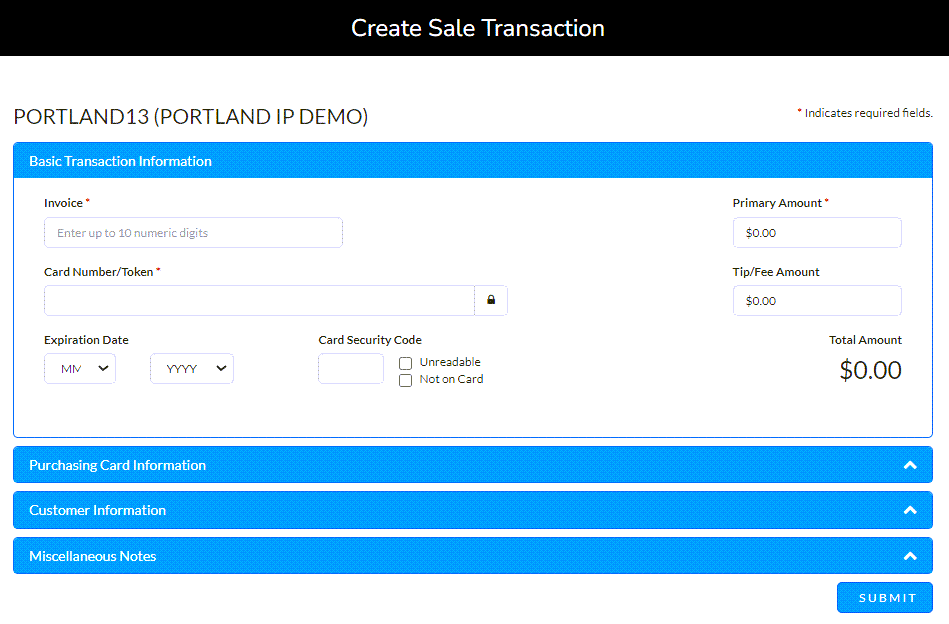
| Tip/Fee Amount |
The amount of any tip or service fee added to the base transaction by the cardholder or merchant at the time of payment. |
| Interface Company Name |
The name of the third-party software or technology company whose point-of-sale or payment interface was used to process the transaction. |
| Interface Version |
The version number of the point-of-sale or payment interface software that processed the transaction. Useful for troubleshooting and compatibility tracking. |
| Interface Name |
The name of the specific point-of-sale application or payment interface used to submit the transaction to Shift4's processing platform. |
| Deferred Auth Flag |
Indicates whether the transaction was processed as a deferred authorization, meaning the authorization was obtained at a later time than the initial transaction capture (common in offline or store-and-forward scenarios). |
| Device Timestamp |
The date and time recorded by the payment terminal or device at the moment the transaction was initiated. May differ from the server-processed timestamp. |
| Terminal ID |
The unique identifier assigned to the physical or virtual payment terminal that processed the transaction. Used to trace transactions back to a specific device in a multi-terminal environment. |
| Device Serial Number |
The serial number of the payment terminal or device that processed the transaction. Used for device management, support, and audit purposes. |
| Device Manufacturer |
The name of the manufacturer of the payment terminal or device used to process the transaction (e.g., Ingenico, Verifone, PAX). |
| Device Model |
The model name or number of the payment terminal or device used in the transaction. Helps identify specific hardware configurations and troubleshoot device-related issues. |
| Surcharge Amount |
The additional fee charged to the cardholder for using a credit card as the payment method. Surcharging allows merchants to recover a portion of card processing costs, subject to applicable card network rules and regional regulations. |
| Payment Method |
Classifies the top-level payment mechanism or rail used to complete a transaction. Answers how the customer paid. |
Wallet Brand
|
The specific digital wallet service used to process the transaction when applicable. |

.png?revision=1)
.png?revision=1)
.png?revision=1)